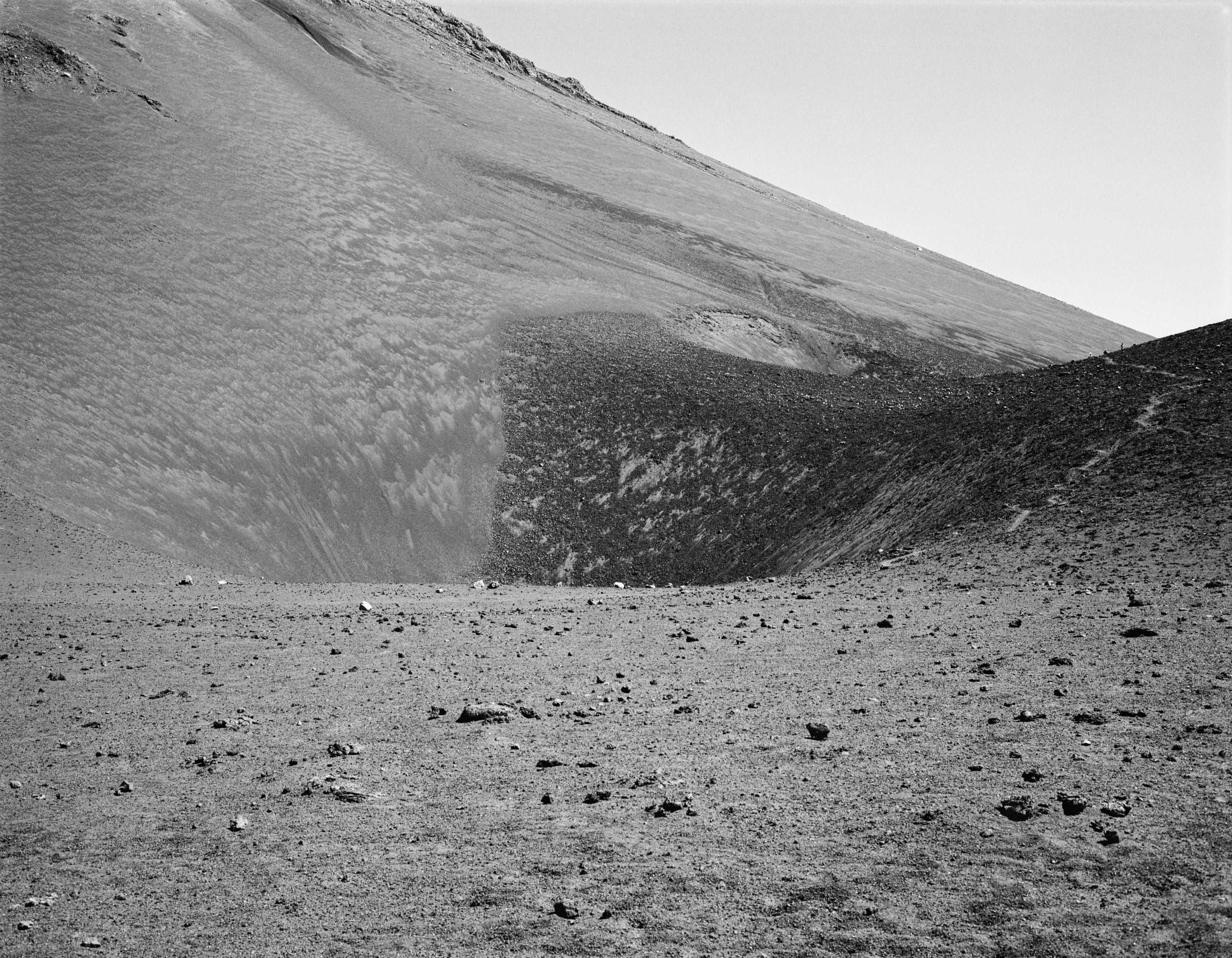
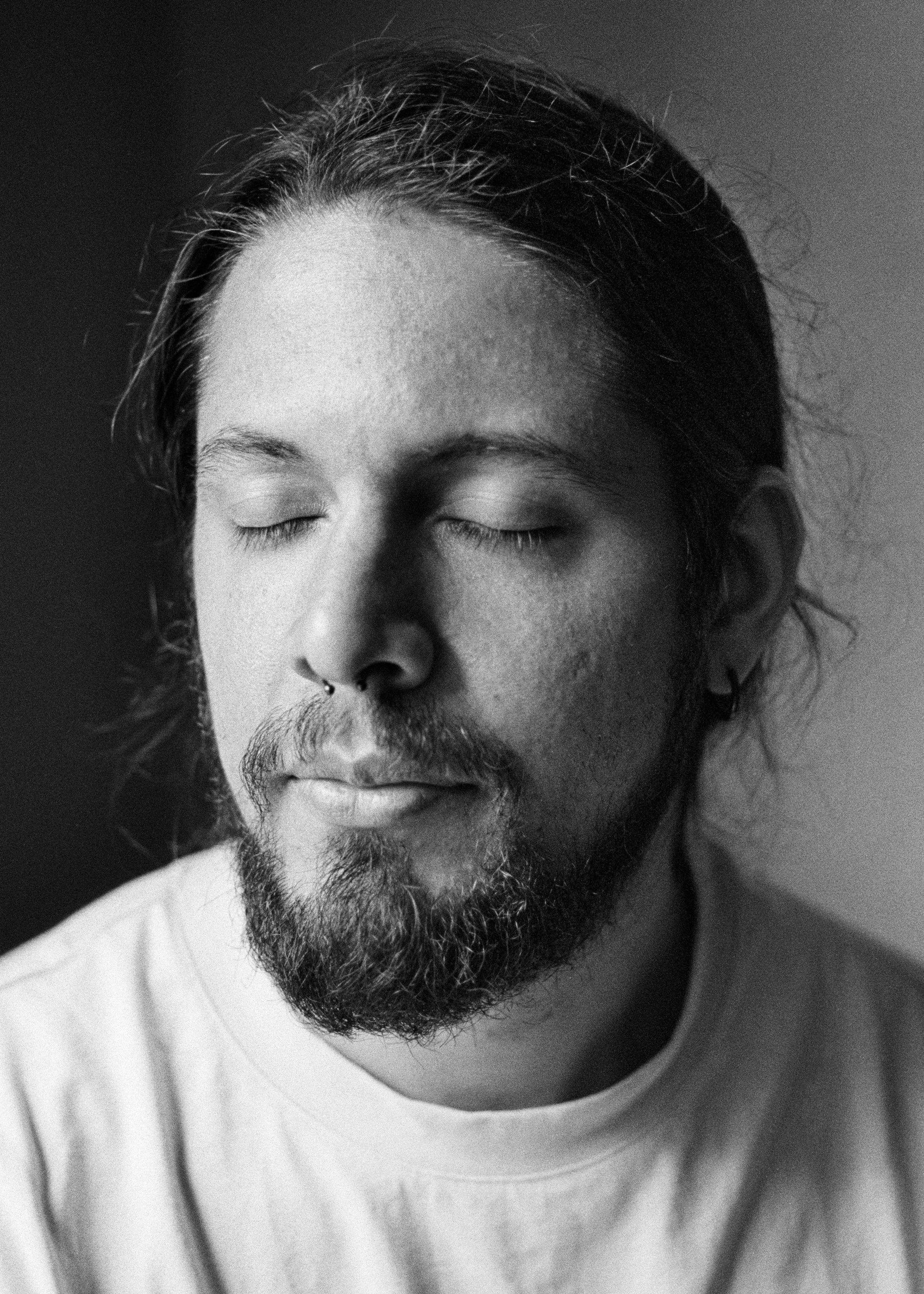
»all-ein«
In the nineteenth century, Nietzsche proclaimed that God is dead. For most people, this statement may well hold true. Yet our problem today is less whether God is dead than whether humanity itself is dead. Not only in the physical sense, though that danger is very apparent depending on social status or place of birth, but in the spiritual sense. The question is whether humankind is becoming ever more like automatons, ultimately hollow and devoid of vitality.
With God’s death, Nietzsche demanded that humankind begin to think for itself. But reality appears only in contradictions. Thought cannot reach the final goal. At best, it shows us that it cannot provide the ultimate answer to questions of existence. The world of reason stays bound in paradoxes. Therefore the only true way to apprehend reality lies not in thought, but in action and the lived experience of oneness. And yet humankind continues to divide itself in countless ways.
Nietzsche foresaw that humanity was not ready for the nihilism he had revealed, and that it would probably follow instead new dogmas, religions, and leaders. We know what followed. And today? Roughly 150 years later, with the failure of the neoliberal dogma of the late twentieth and early twenty-first centuries for many in the Western world, are we again on the same path? Re-ordering hierarchies believed to be overcome with dangerously biased melancholia regarding "the good old times", fighting each other at the bottom of society, only serving the interests of the few, rather than forming genuine new connections?
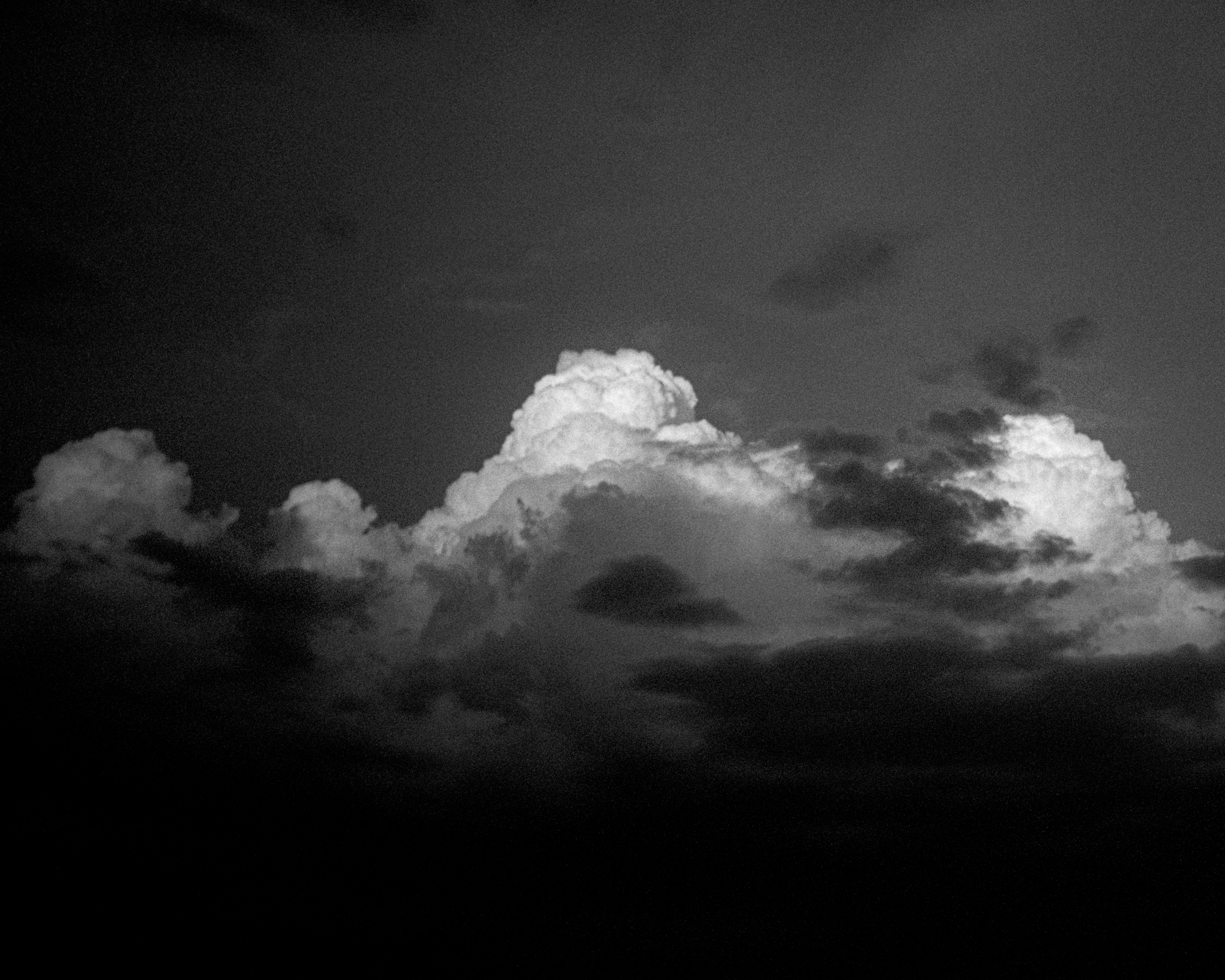
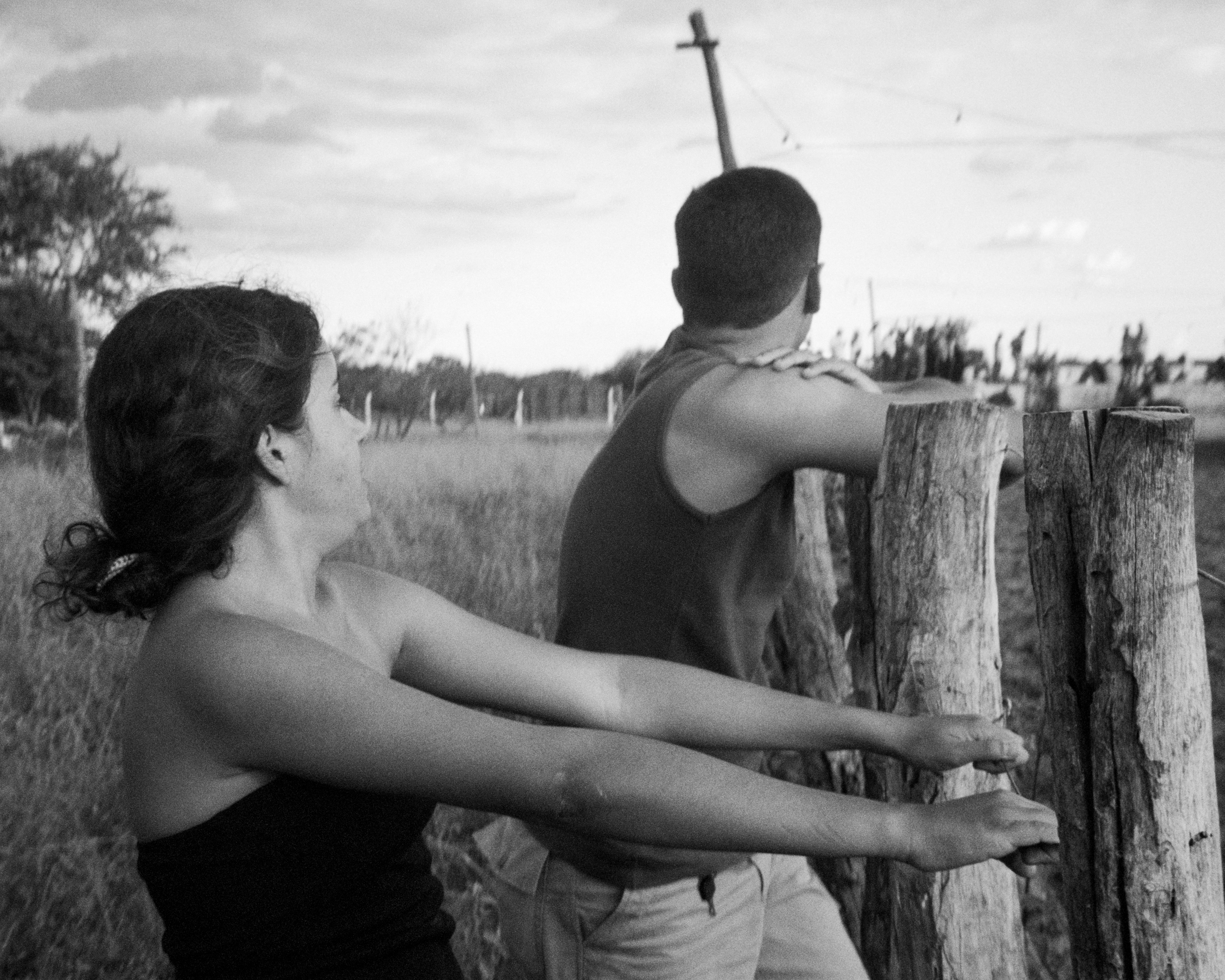
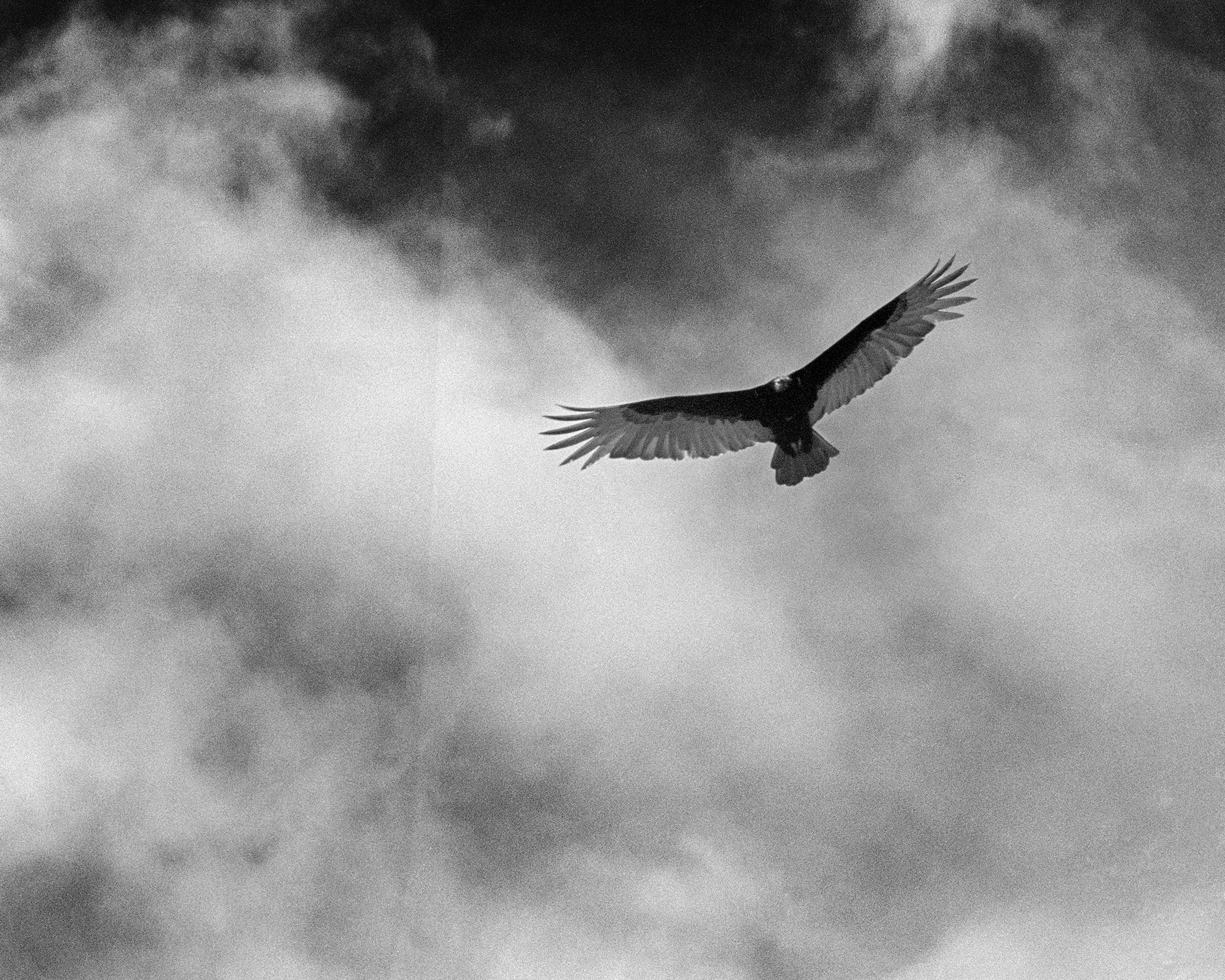
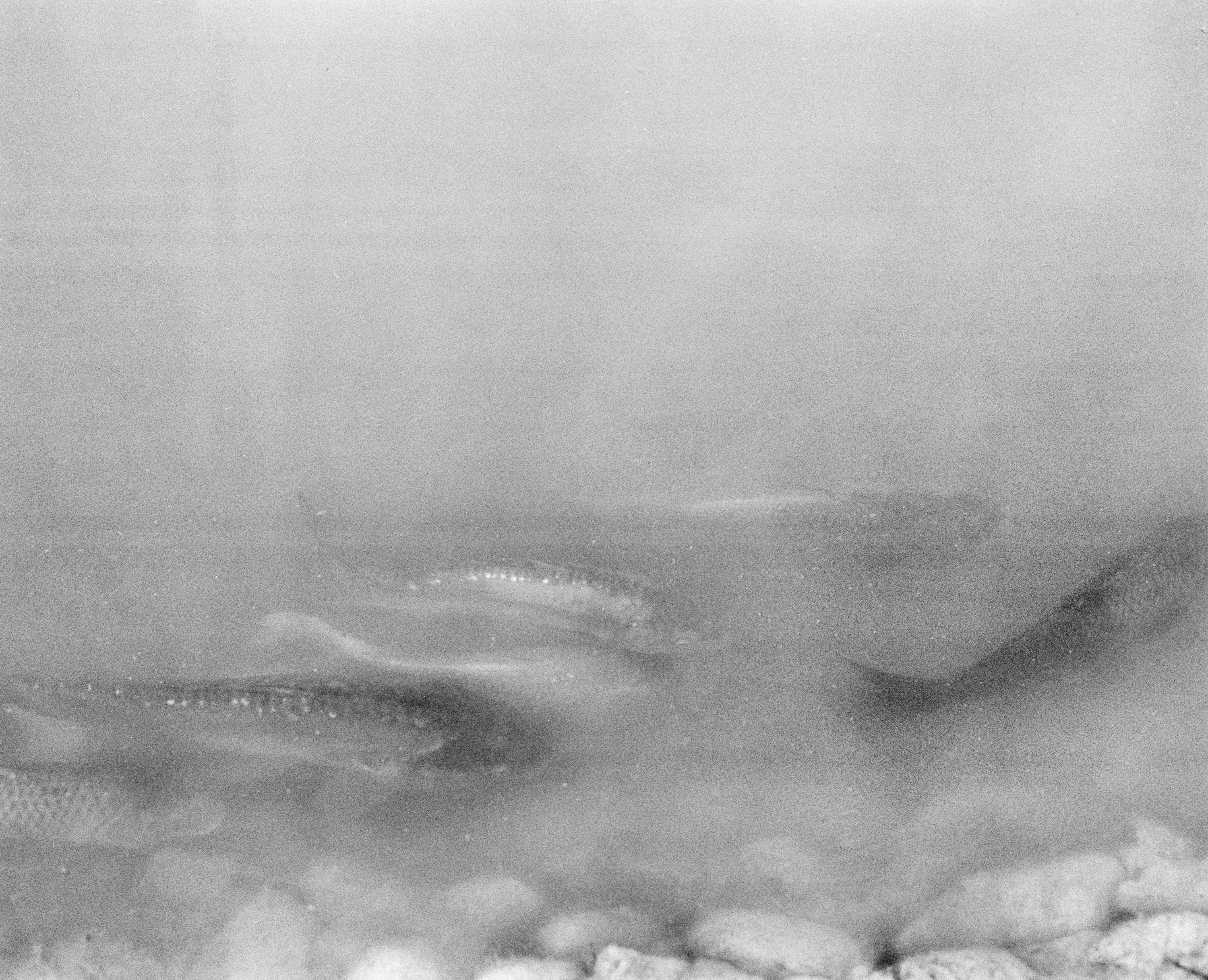
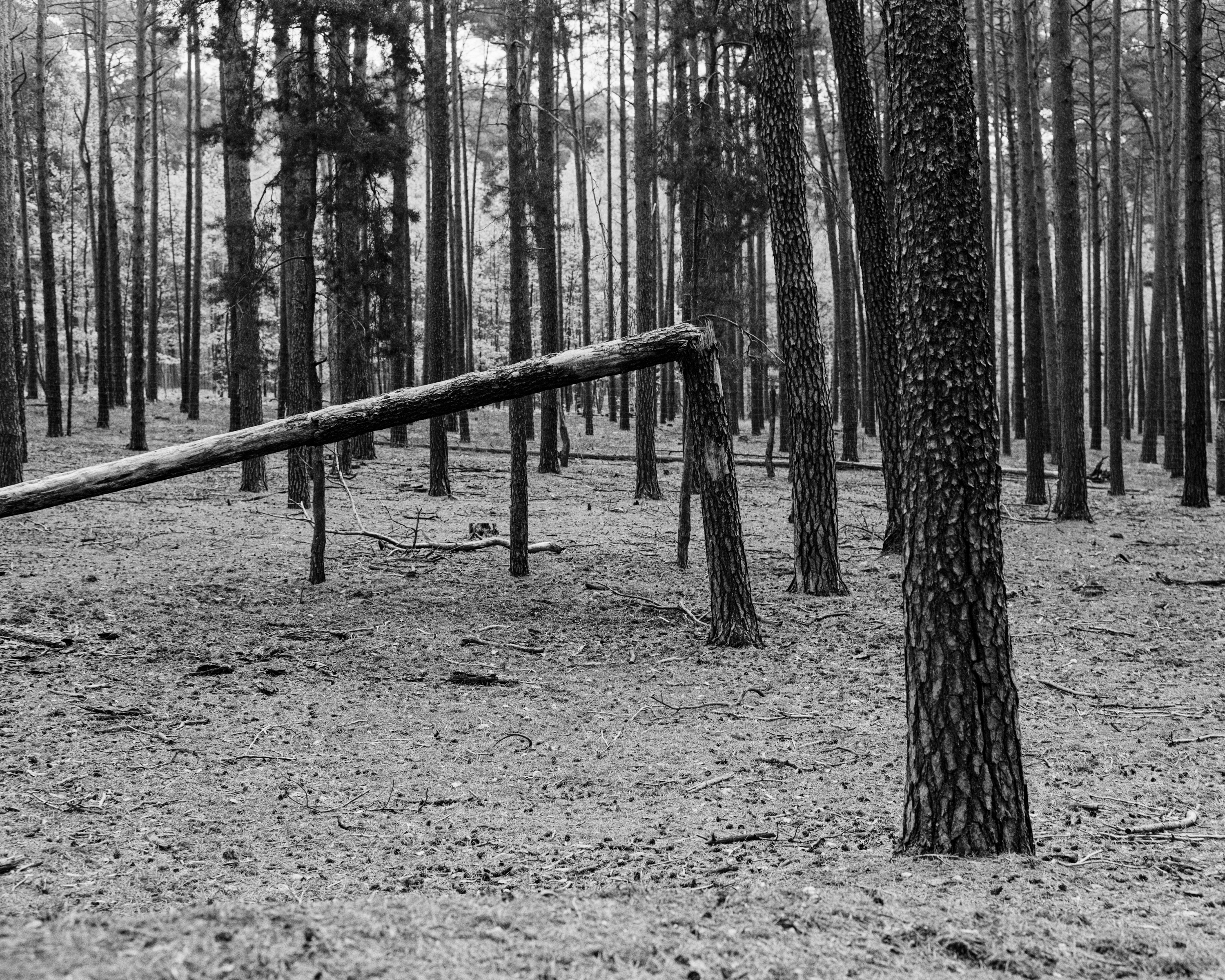
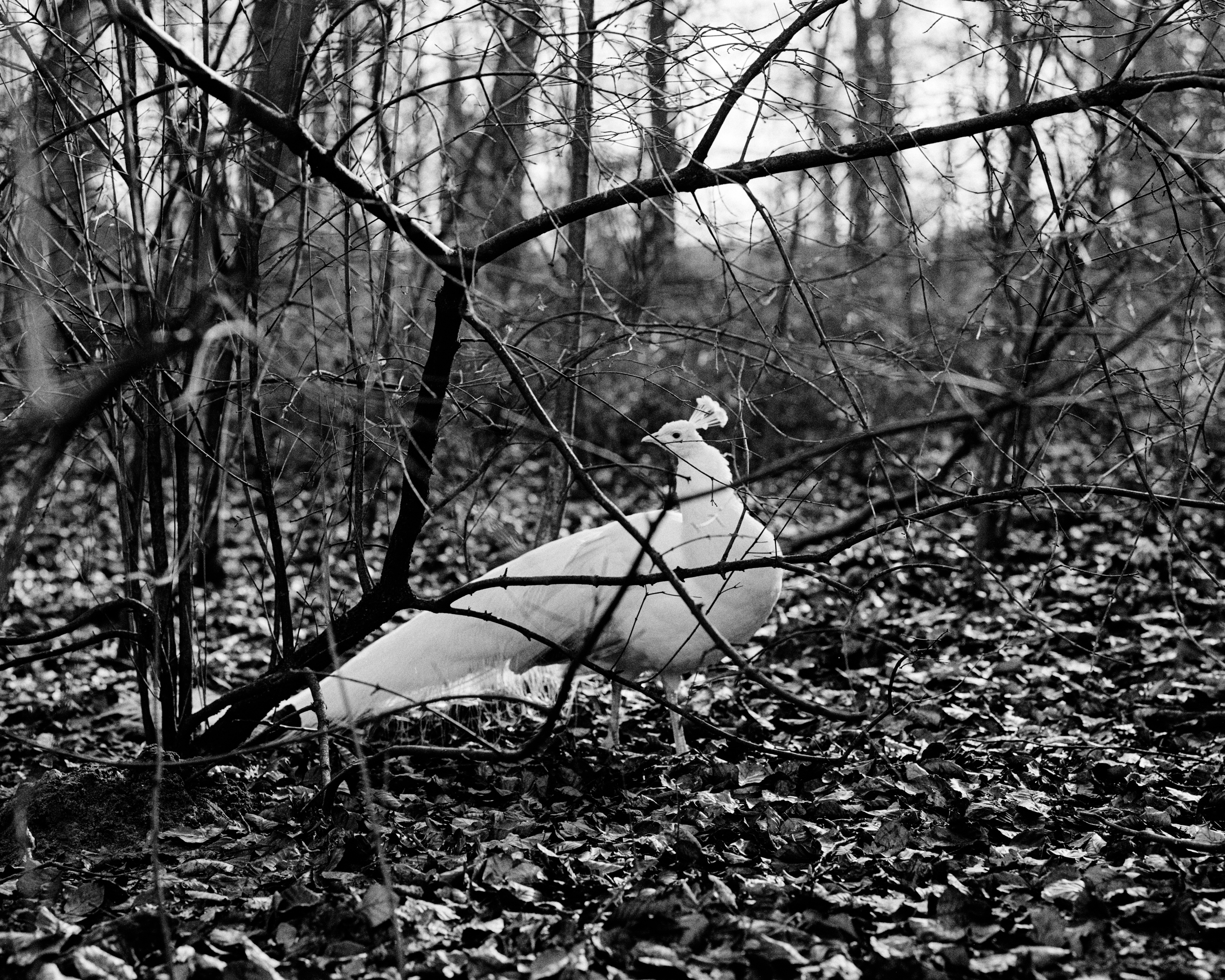
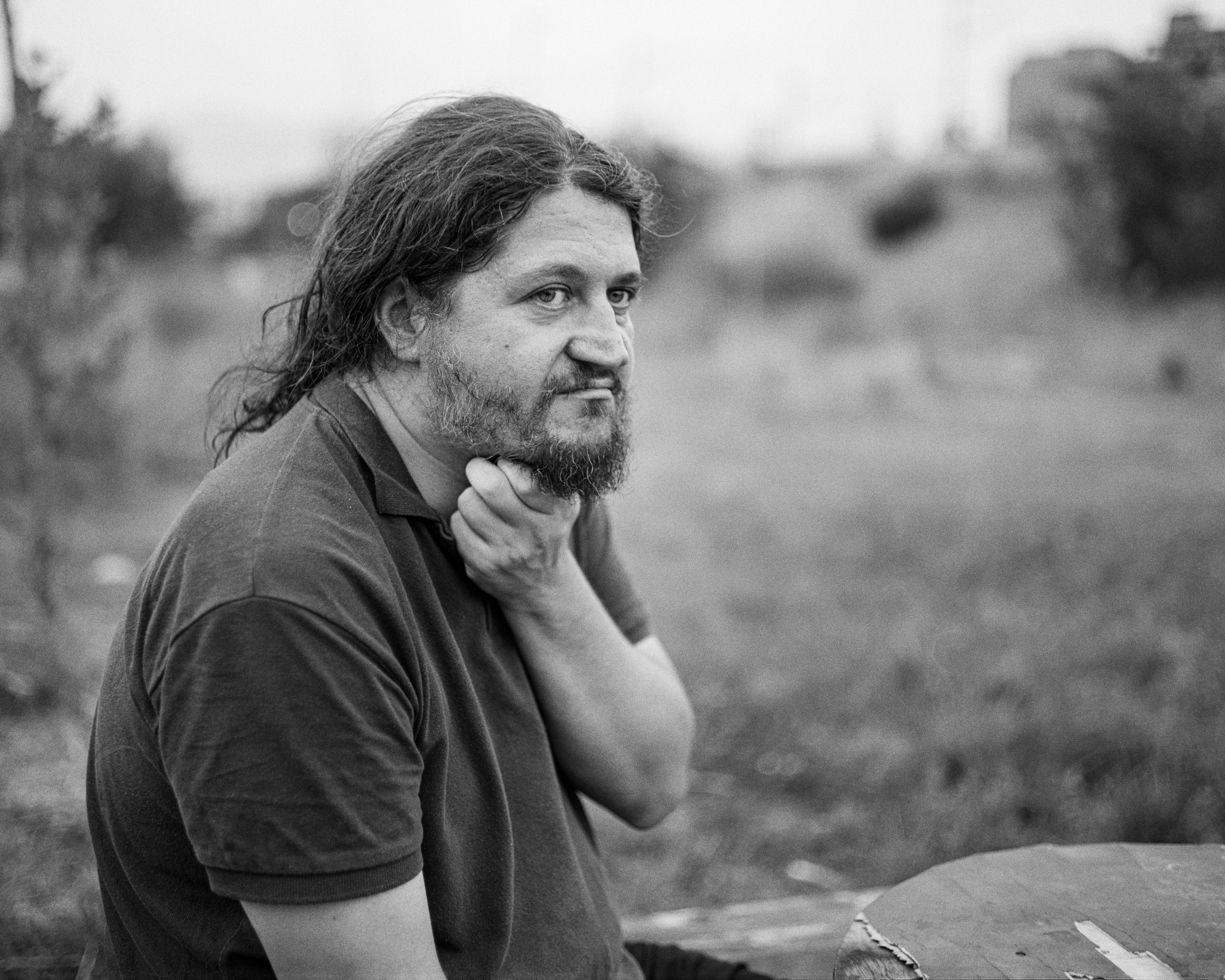
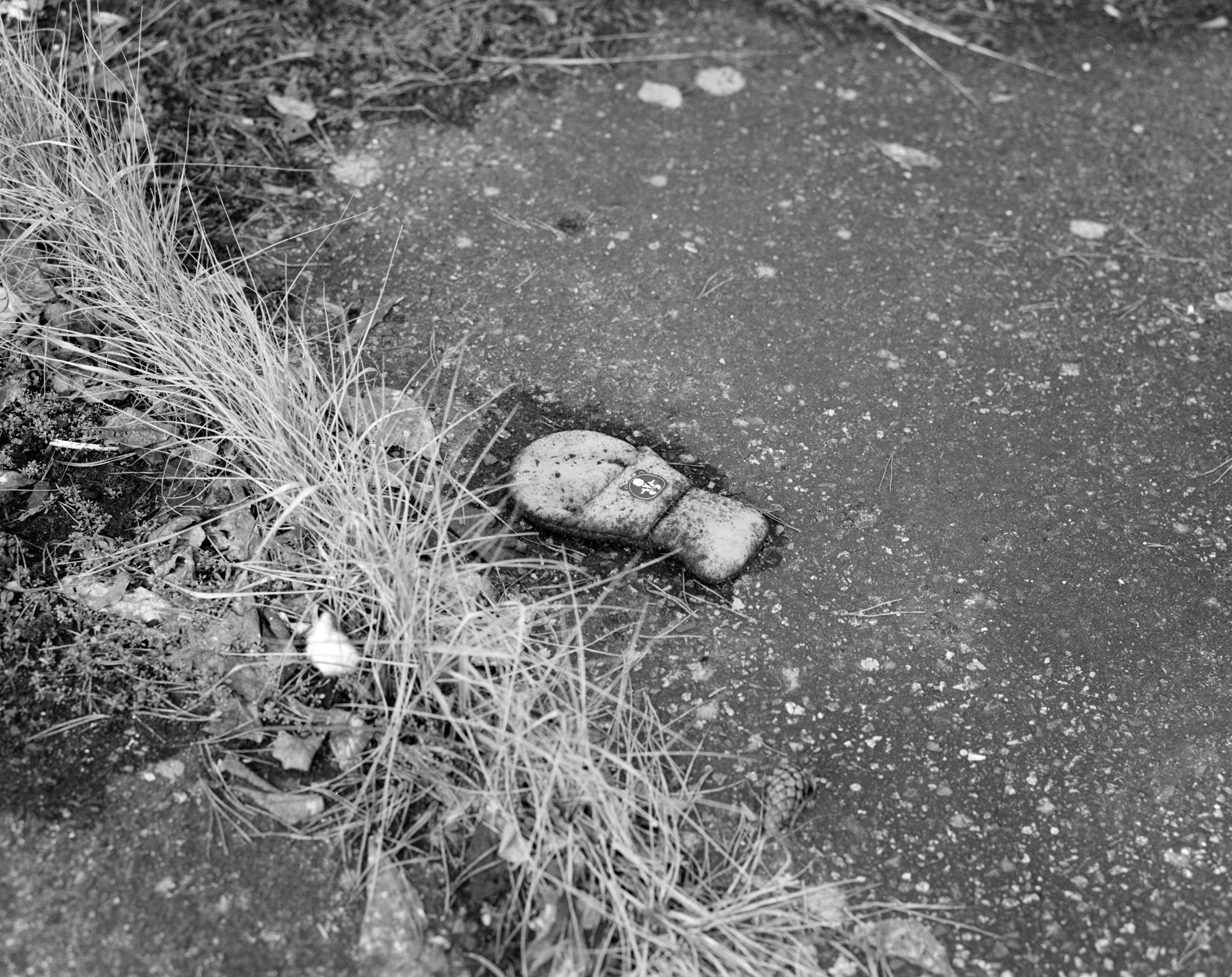
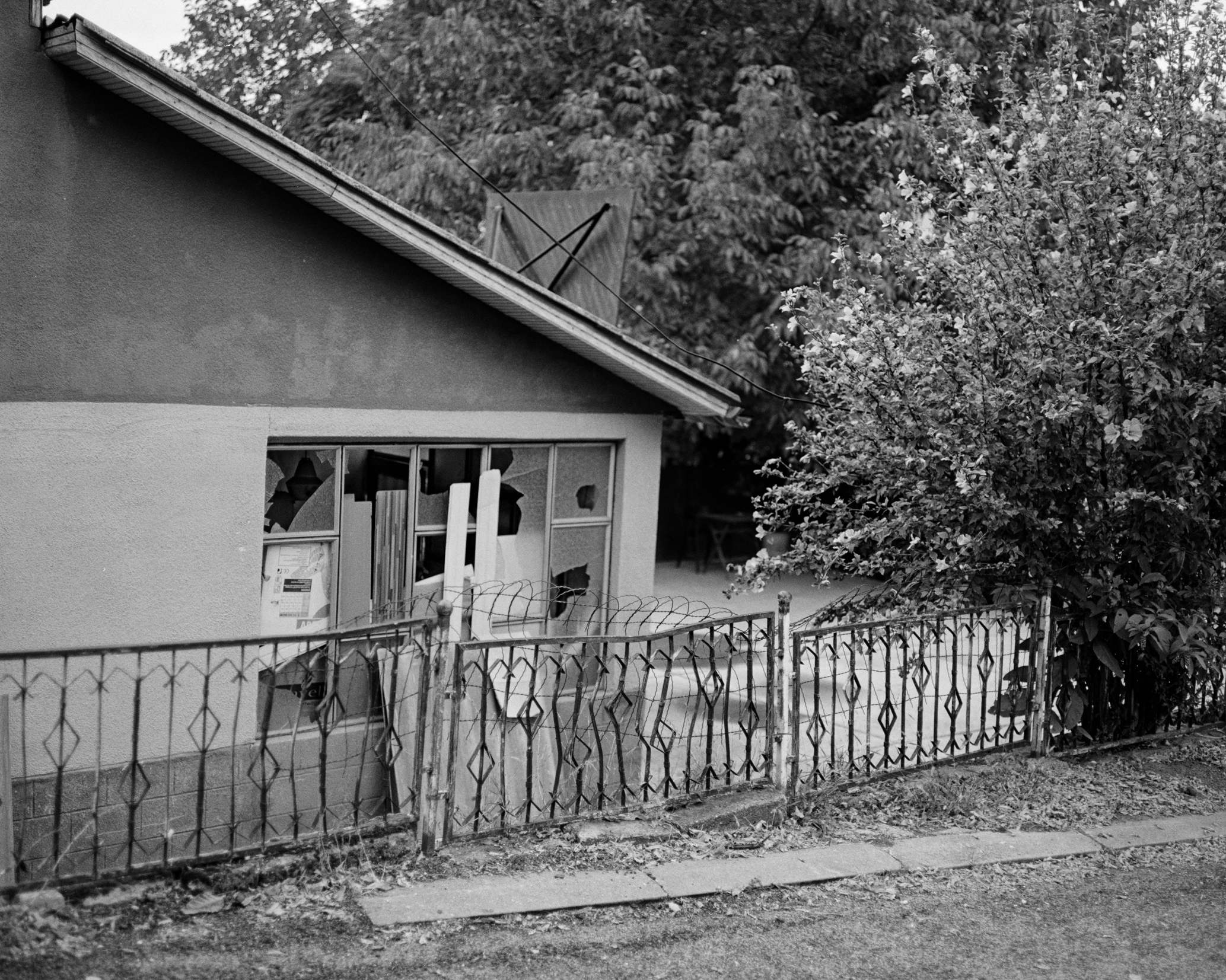
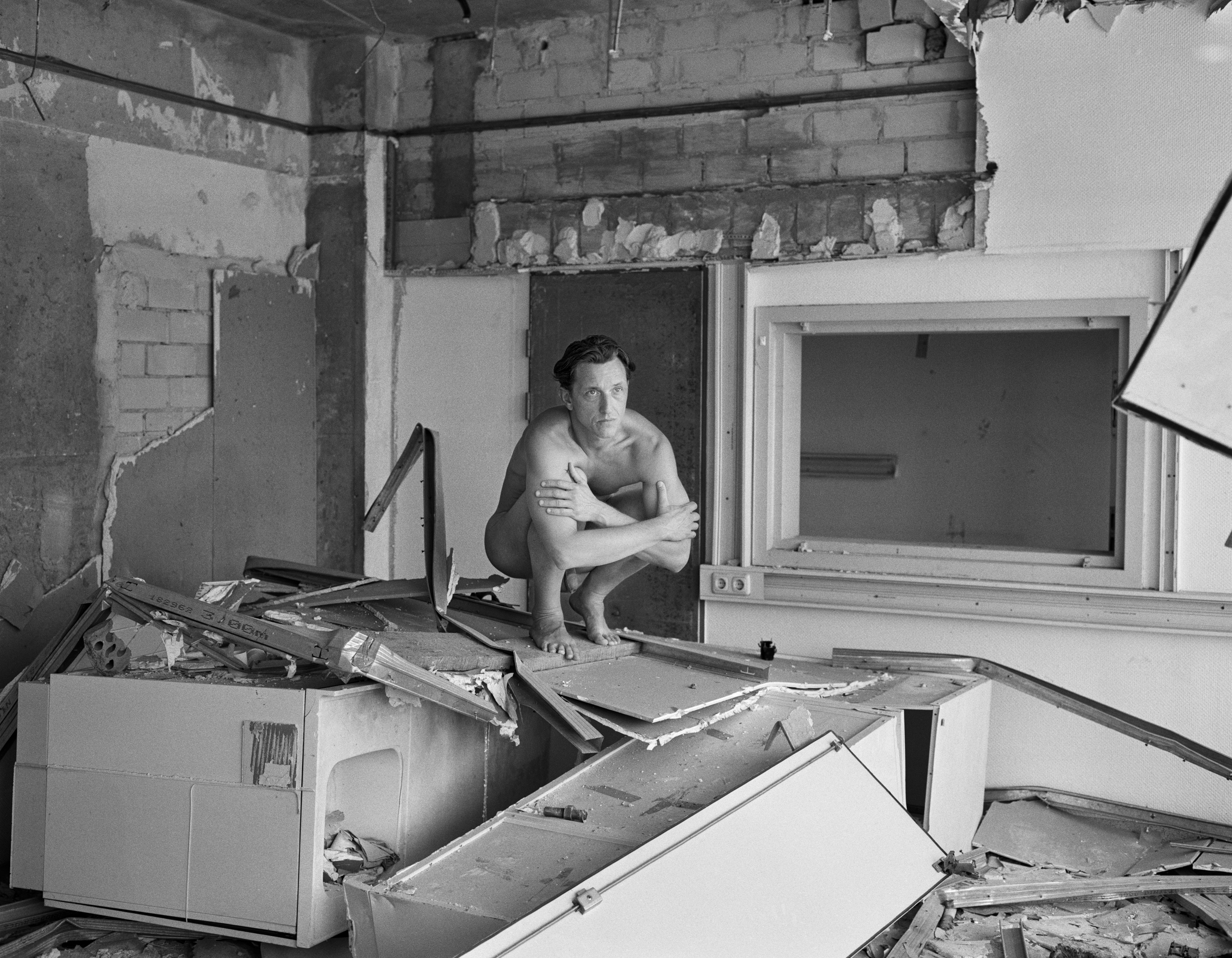
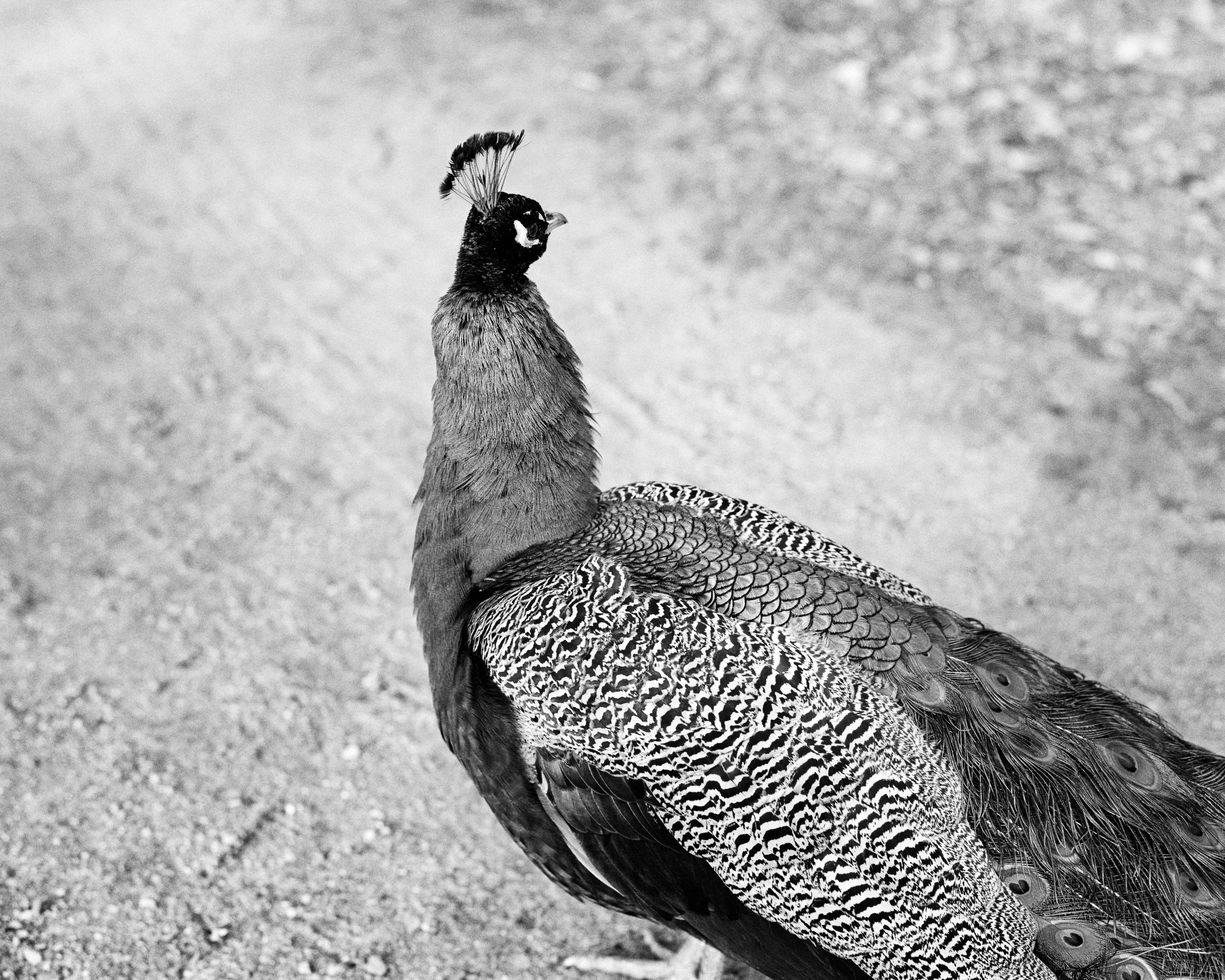
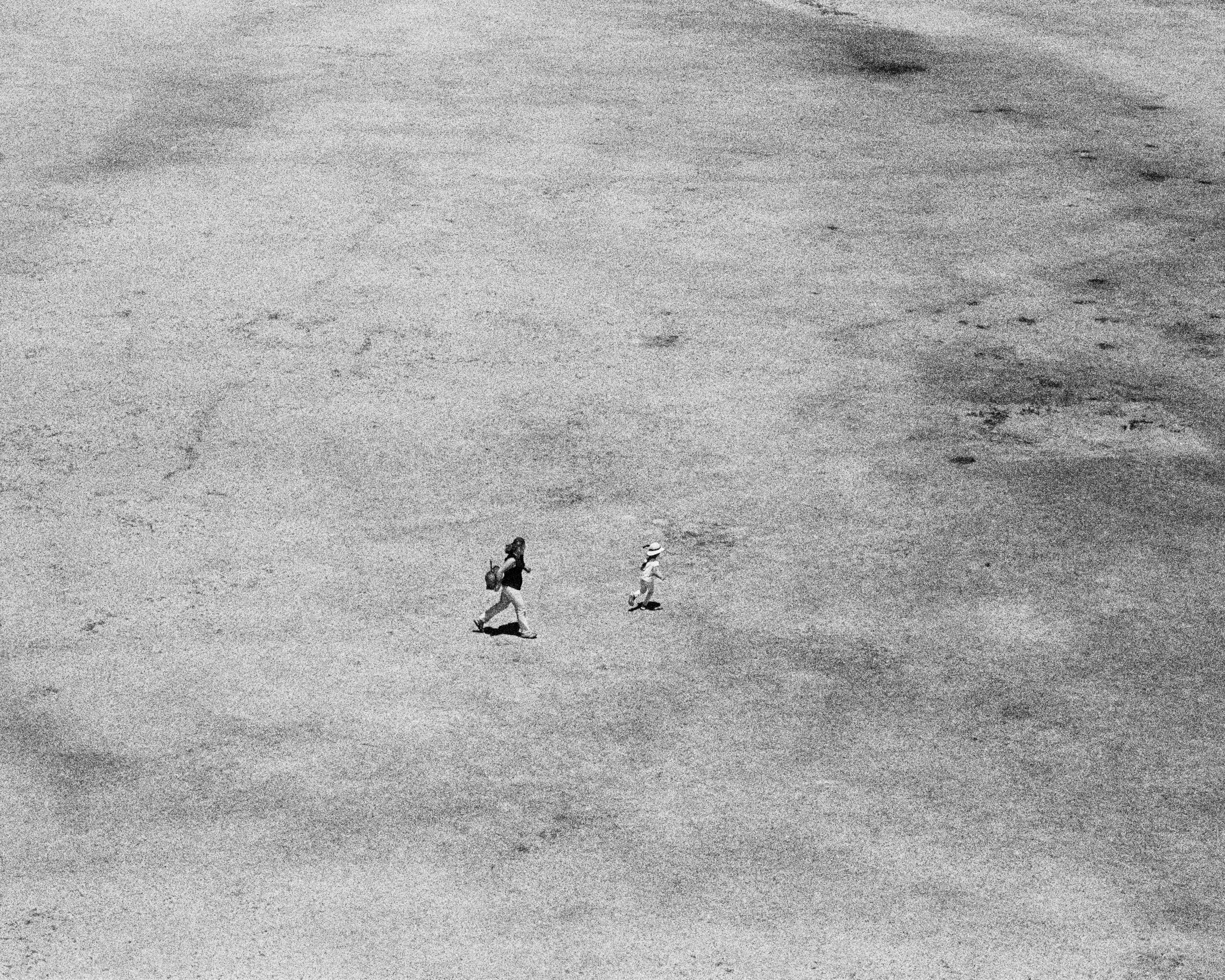
In the German language the word all-ein describes both isolated aloneness and the all-oneness that surrounds us, a word that describes the paradox of existence like no other. On one hand, we are lonely individuals drifting through the vastness of the universe, on the other, integral parts of a greater whole. This paradox, our solitude and our unity, is a defining element of being human.
This work approaches the feeling of paradox within our own existence and the inescapability of it, as a unifying element of what makes us human. In an age in which we are often closest to ourselves, placing more importance on our own lives than on others and the world around us, this work becomes a quiet invitation: to pause, to reflect and to put our own existence into perspective. To quiet the constant noise of spectacle and gently return to the human within us, united in the shared mystery of simply being.
Exhibited from 19.09.-05.10.2025 at Cank, Berlin, as part of the “Jahrgang ZWANZIG” graduation from Ostkreuzschule für Fotografie - Fine Art Prints available on request.
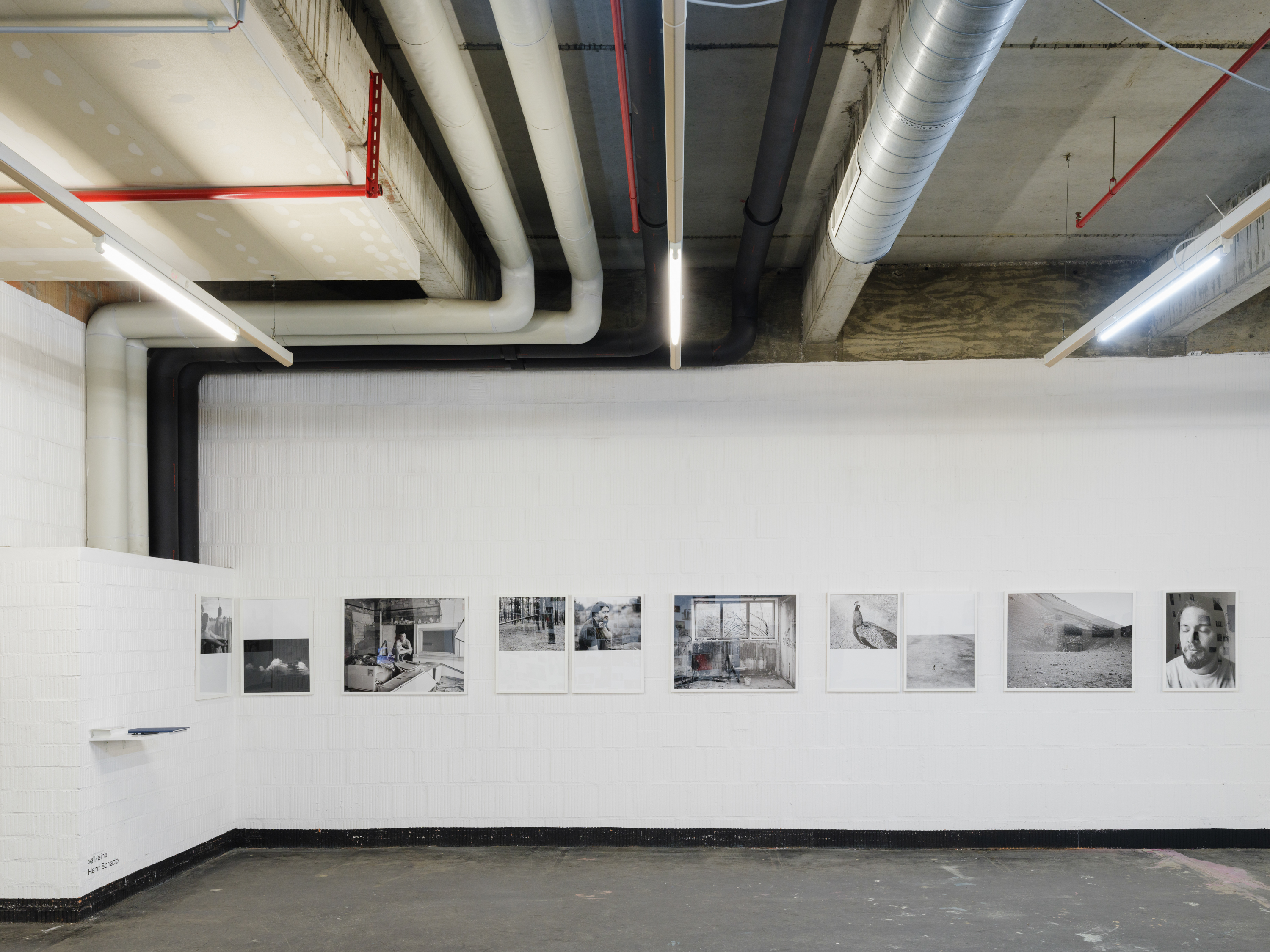
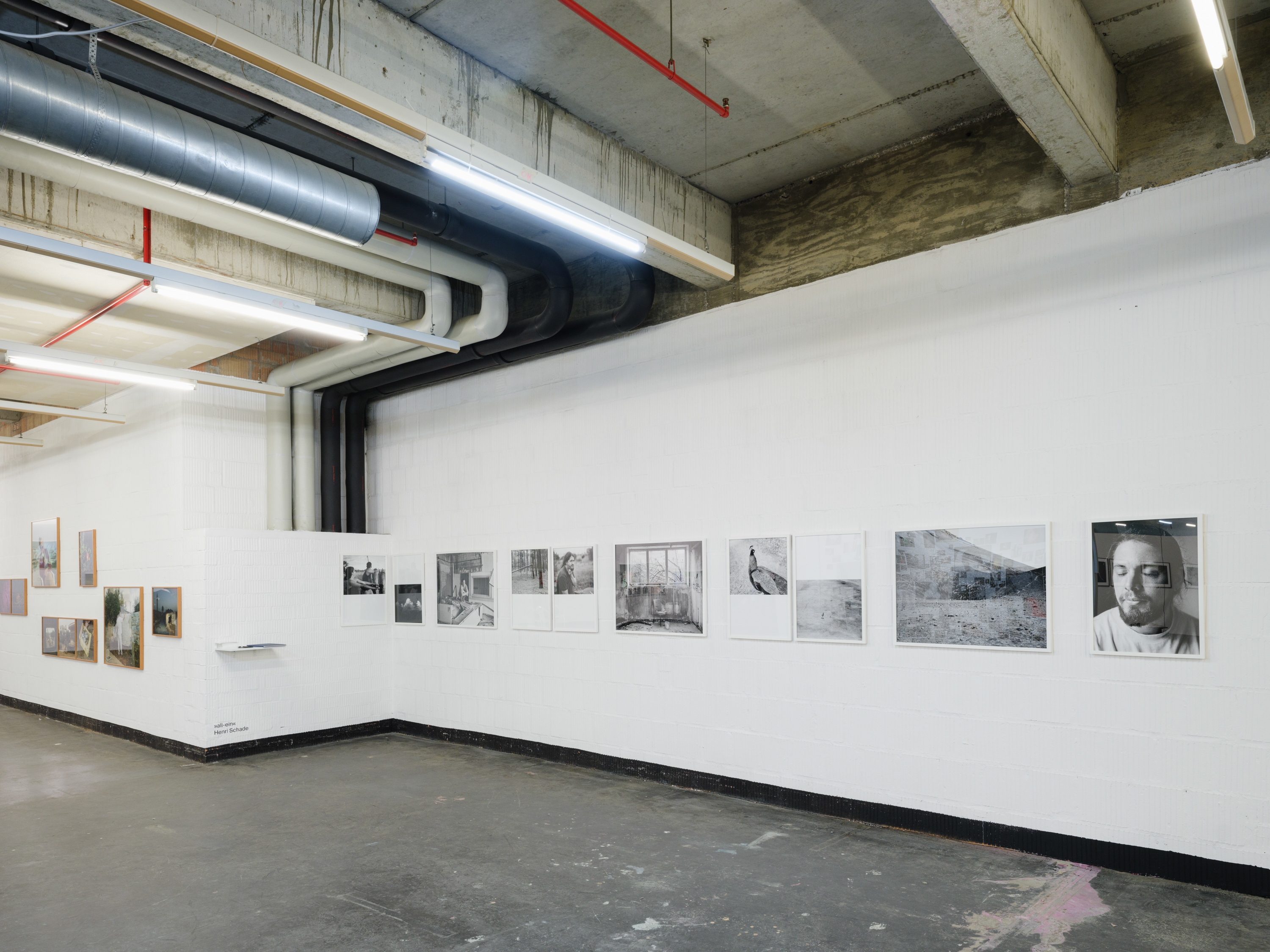 Ausstellungsansichten: ©Nico Fritzenschaft